
While Indian wear has evolved to meet the fashion needs of today's woman who loves variety in her closet, the saree still holds the throne as the most sought-after outfit. Whether it's an indulgent zari woven brocade or a plain pastel organza saree, the nine-yard ensemble is the ultimate convergence of eras and a modest expression of sensuality.
India is home to a precious history of sarees, adapted to regions & communities, weaving a rich tapestry of diverse cultures combining different types of yarns, weaving styles, colour palettes, and visual elements. Here are some captivating versions of the saree across the 28 states of India, that have placed Indian textiles on the global map.
1. Banarasi Saree (Uttar Pradesh)

For saree patrons, a wardrobe is incomplete without a Banarasi brocade. One of the most popular forms of Indian traditional wear, these handwoven sarees have been a statement of flamboyance among the nobles and a trending dress code among new-age celebrity brides.
2. Kanchipuram Saree (Tamil Nadu)

These ultimate ‘Queen of Sarees’ are one of the most luxurious drapes depicting mythological scenes and temple structures with golden zari and pure Mulberry silk yarns. What distinguishes Kanchipuram sarees from other affluent variants is that the body, pallu, and border of the saree are woven separately, and intricately connected with a weaving technique innate to the Kanchipuram village.
3. Paithani Saree (Maharashtra)

Traditionally a bridal outfit, the Pathani saree is recognized by signature peacock and lotus motifs woven with an extra weft, which makes the design visible on both sides. Where each saree takes up to several weeks of skilled weaving with an end look that’s conveniently reversible, these ultra-luxurious sarees are undoubtedly a collector’s pride.
4. Patola Saree (Gujarat)

The intricate, reversible form of weaving is also a skill nurtured in the looms of Gujarat, where double ikat weaves create geometric patterns and nature-inspired motifs using resist-dyed silk yarns. Patola sarees are one of the most durable ensembles, and a popular souvenir among tourists and NRIs.
5. Bandhani Saree (Rajasthan)

Versatile, fluid, and colourful, Bandhanis have carried patronage across generations. A series of meticulous resist-dyeing processes involved in making a Bandhani saree render a luxurious feel to these drapes, along with aesthetics that fit into traditional, contemporary, and fusion clothing.
6. Kasavu Saree (Kerala)

Cream-white cotton sarees edged with golden zari borders- Kasavus reflect the prevalence of modest and minimalistic dressing in Kerala while complementing the tropical climate of the region. Carrying deep cultural significance, Kasavu saris are also made in silk and constitute the formal attire code for special occasions.
7. Chanderi Saree (Madhya Pradesh)

The term ‘Chanderi’ typically describes a breathable, lustrous fabric that merges the grandness of silk and the comfort of cotton, essentially woven in the Chanderi town of Madhya Pradesh. Sarees woven using this blended fabric range from elegant to vibrant, with woven motifs depicting elements of nature.
8. Jamawar Saree (Kashmir)

Inspired by Persian art, Jamawar sarees apply the Tanchoi weaving technique, which gives the silk fabric a smooth, satin finish. What differentiates them from the other forms of silk sarees is the intricacy of paisley and floral patterns in colours ranging from vibrant and bright to shimmering metallics.
9. Phulkari Saree (Punjab)

While Punjab is popular for salwar suits, its colourful Phulkari sarees have seamlessly claimed a soft spot among trending sarees. The word ‘Phulkari’ translates to ‘flower work’, which forms an essential element of these vibrant, hand embroidered drapes characterized by geometrical flower shapes and make a popular festive wear choice.
10. Muga Silk Saree (Assam)

Although the traditional outfit of Assam is the two-piece Mekhela Chador, which is draped similar to the saree bodice and pallu, this culture-rich eastern state of India is home to globally acclaimed Muga Silk sarees. A form of Ahimsa Silk, this fabric has a distinctive golden-yellow tint and promotes ecological harmony while shining better after every wash.
Among hundreds of saree variants, each representing a unique fabric, detail, or culture- these ten sarees have aced the tests of time and trend, celebrating Indian wear globally.
We will soon share a write-up describing the lesser-known saree variants and traditional dresses across multiple states of India. Stay tuned!
Tags:
Related articles

-
May 20 2026
Celebrating India At The Cannes Film Festival
-
May 20 2026
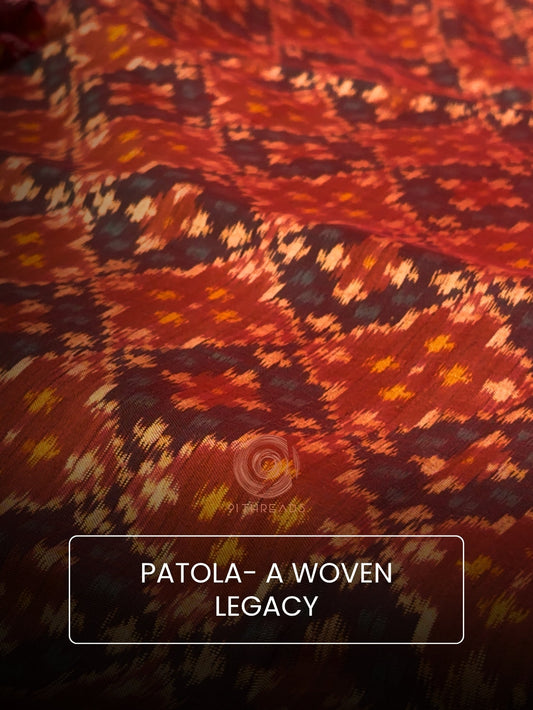
Patola- A Woven Legacy
-
May 20 2026
Saudagiri- The Revival of a Forgotten Art
-
May 04 2026
9-to-5 Fits For Peak Summer Days
-
Jan 16 2026