


Sarees are forever- for that’s how they’re made to be- graceful, adaptable, timeless! India- known for its rich cultural diversity across 28 states, has nurtured hundreds of saree variants for centuries, where each stands apart with its unique colour themes, draping forms, detailing, indigenous yarn, or a unique combination of weft and warp. Our previous blog post covered globally trending saree souvenirs; this post continues the exploration across different Indian states.
Here are some of the popular types of sarees which would make a precious add-on to your wardrobe-
1. Leheriya Sarees

Inspired by the wavy sand dunes of Rajasthan, Leheriya sarees are known for their effortless prints and zestful colours. Often made in thin cotton or silk fabric, these sarees go through multiple printing stages of diagonal rolling and layered dyeing, to create uneven waves that lend both- uniqueness and vividness to this timeless art. The leheriya print is also a popular detail across other forms of clothing, including salwar suits, scarves, men’s kurtas, and turbans.
2. Pochampally Sarees

Among the many versions of intricate weaving inherent to Indian handlooms, the double ikat weave of Pochampally sarees holds a distinguished place. Majorly woven in the looms of Andhra Pradesh and Telangana, these sarees stand out with precise designs created with fine weaving techniques using tie-and-dye yarns.
3. Kalamkari Sarees

Another masterpiece version from Andhra Pradesh and Telangana, Kalamkari sarees are known for narrating mythological stories and folklore through vivid hand-painted details and wooden block prints. The use of natural dyes and organic paints lends an earthy fragrance to these drapes, making them a popular souvenir among tourists.
4. Bhagalpuri Tussar Silk Sarees

Made using a wild silk variant that stands out with a natural brown undertone and a coarse yet breathable texture, Tussar Sarees make a great choice for everyday wear and formal to casual ethnic dress codes. Bhagalpur, also known as the Silk City of India, is home to most handlooms producing Tussar Sarees, where these sarees are alternatively called Bhagalpuri Silk Sarees.
5. Sambalpuri Sarees

Quite similar to the Pochampally ‘double-ikat’ weave, Sambalpuri sarees are differentiated with their geographic origin in the state of Odisha. Woven with resist-dyed yarns, these sarees further stand out with bold motifs of Shankha (shell), Phula (flower), and Chakra (wheel), in contrast to Pochampally sarees which have geometrical patterns as the core themes.
6. Mysore Silk Sarees

This saree variant made with mulberry silk in Mysore is distinguished with two-tone fabric and metallic borders. Mysore Silk Sarees are comparatively lightweight and minimalistic as compared to Kanchipuram Sarees, which are also made with mulberry silk yarns but stand out with heavy borders and are often indulgent with mythological narratives, golden flowers, and temple designs.
7. Baluchari Sarees

Inspirations from mythology extend to the eastern region of India as well, where Baluchari Sarees have been a sartorial presentation of culture for centuries. These sarees, popular collectives in West Bengal, Tripura and Assam, are traditionally woven using silk yarns and can be identified by rectangular bands of intricate detailing on the pallu. Beyond mythology, folklore and nature’s elements form popular details for metallic detailing using golden and silver zari yarns.
8. Chikankari Sarees

The Chikankari art from Lucknow, which typically consists of delicate embroidery in white or tone-on-tone threads, stands out subtlety and elegance. Flower vines and paisley motifs are popular details lending old-world charm to this art. Chikankari sarees are often enhanced by combining over 32 types of stitching techniques and arts, including Phanda, Murri, Jaali (cutwork) and the shimmering Mukaish embroidery, which recently made it to global headlines after being spotted in Dior’s menswear collection at the Paris Fashion Show.
9. Dharamvaram Sarees

These luxurious handwoven silk sarees exude prominence with heavy golden zari borders. Flower motifs and intricate designs inspired by the murals of the Lepakshi temple are popular details that add an aesthetic feel to these drapes. Dharamvaram sarees, woven in the looms of Dharamvaram town in Andhra Pradesh, received the Geographical Indication (GI) tag in 2013.
The list doesn’t end here- our next post, we will take you through the lesser known yet equally alluring versions of the Indian saree. Stay tuned!
Tags:
Previous
28 States - 28 Sarees: A Globally-Trending Legacy
Next
28 States - 28 Sarees: A Globally-Trending Legacy – Part 3
Related articles

-
May 20 2026
Celebrating India At The Cannes Film Festival
-
May 20 2026
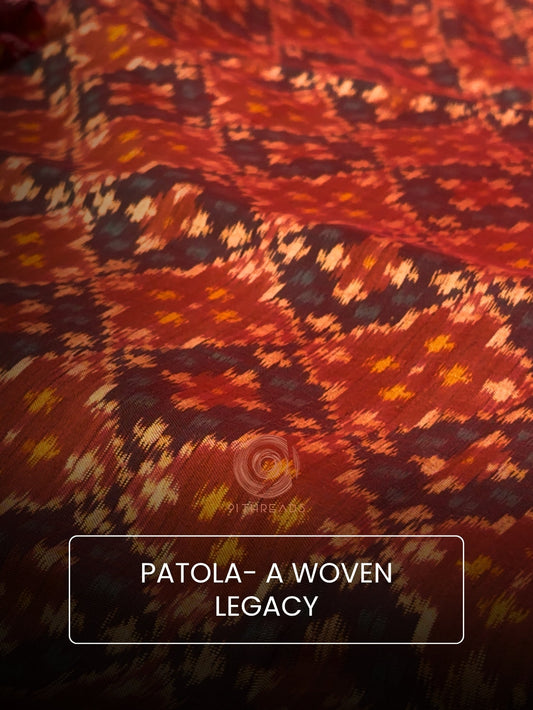
Patola- A Woven Legacy
-
May 20 2026
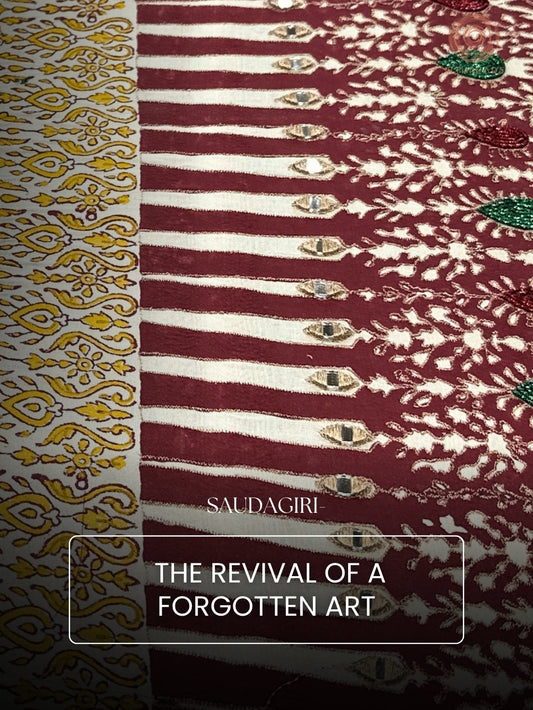
Saudagiri- The Revival of a Forgotten Art
-
May 04 2026
9-to-5 Fits For Peak Summer Days
-
Jan 16 2026
Quick Tips For Preserving Your Wedding Outfits

-
Oct 13 2025