


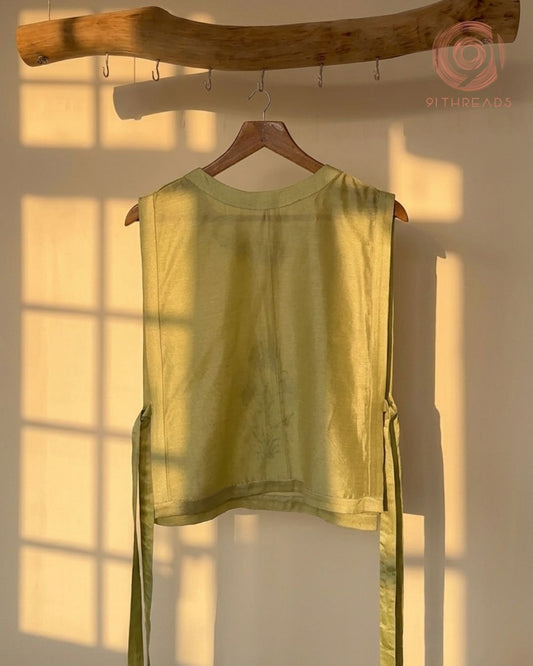

The Indian culture is an undisputed sanctuary of the finest arts and crafts in textiles, descended through eras and still retaining their authenticity in the evolving world of fashion. However, time has also faded some of the beautiful crafts, such as Saudagiri. Once a merchant favorite for trade in south-east Asia, this intricate form of hand block-printing is now confined to a handful of artisans and is mostly passed on as an artisanal legacy.
Saudagiri- the 300 years old art of printing was a popular aesthetic for scarves and garments shipped from India to Siam (present day Thailand) in the nineteenth century. The art essentially used handcrafted teakwood blocks to create patterns on fine handspun cotton.
The Merchant’s Print

The name ‘Saudagiri’ is rooted in the Hindi word ‘Saudagar’, which means ‘merchant’, and that’s how the print earned its perpetual name. Indian manufacturers produced Siamese garments, such as Pha Nung (lower-body garments), Pha Sabai (scarves and wraps), and Pa Lai (formal work attire in the king’s court) and elevated them with Saudagiri prints inspired by the Indian and Thai cultures. Geometric grids, Mughal-inspired lattice (jalis) and the signature Tumpal motif (a long triangular form inspired by the Ayutthaya Temple in Thailand) dictated the print detailing on the garments. These garments were often branded by the merchants selling them and not the manufacturers, which transformed Saudagiri into a merchant’s print. The intricacy of block designs differentiated Saudagiri from other block print techniques and placed these garments as a leading trend in the global markets.
Why is Saudagiri a forgotten art?
While several printing techniques like Ajrakh, Batik, Bandhani, and Leheriya continue to flourish, Saudagiri has been a vanishing art in the Indian scenario. It is lesser known among Indians and is not commercially available, and that’s because Saudagiri was exclusively meant for exports and not the Indian market. The art fetched high returns until the second World War, which disrupted international trade.
Over the last seven decades, Saudagiri has been diminishing due to shifts in the fashion preferences among the Thai natives and replacement by lower-priced, mass-produced fabrics.
Reviving the Saudagiri art

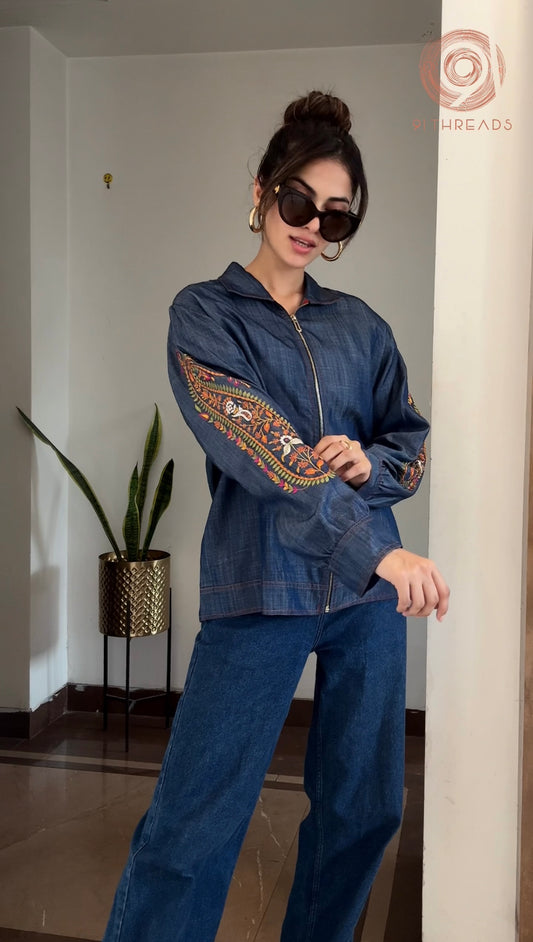
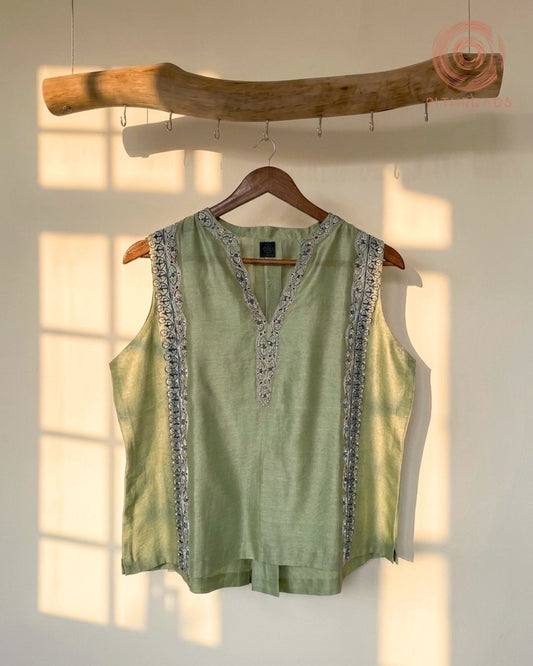
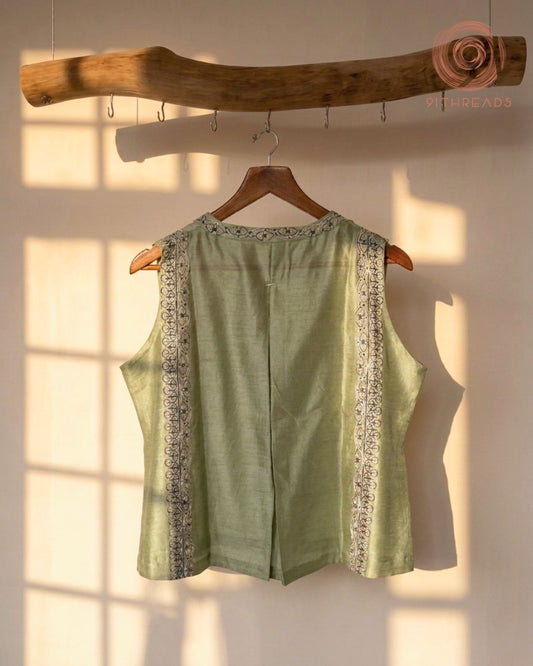
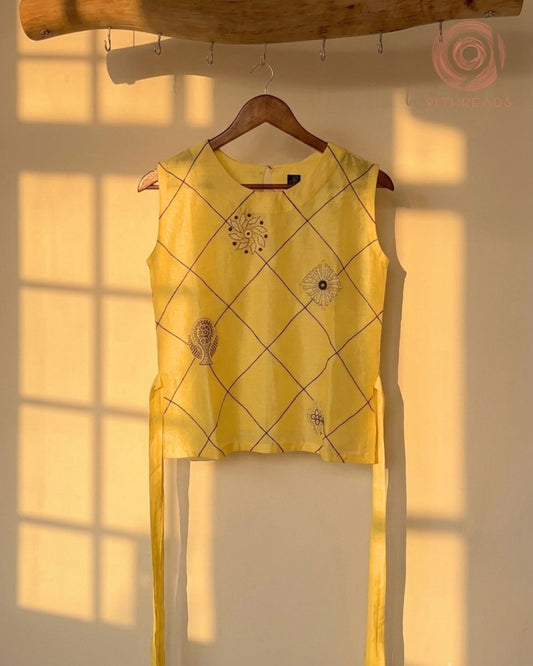
The print has survived mainly due to the consistent efforts of the Banglawala family in Ahmedabad, where skills passed on as legacy are blended with modern-day management techniques, transforming the art into a rewarding business opportunity. The younger generation of the family has not only given a fresh look to this 300-year-old art, but has also engaged women in the community through NGO organized training programs. The growing community of Saudagiri artisans enthusiastically partners with textile design students and leading brands like 91Threads that make conscious efforts towards reviving such diminishing arts and crafts in the Indian textile industry.
Tags:
Related articles

-
May 20 2026
Celebrating India At The Cannes Film Festival
-
May 20 2026
Patola- A Woven Legacy
-
May 04 2026
9-to-5 Fits For Peak Summer Days

-
Jan 16 2026
Quick Tips For Preserving Your Wedding Outfits

-
Oct 13 2025